Dark Raven, my 2010 Kia Rio hatchback, has been my ride-or-die for years. We’ve lived a lot of lives together. He’s also broken my heart more times than I’d like to admit.
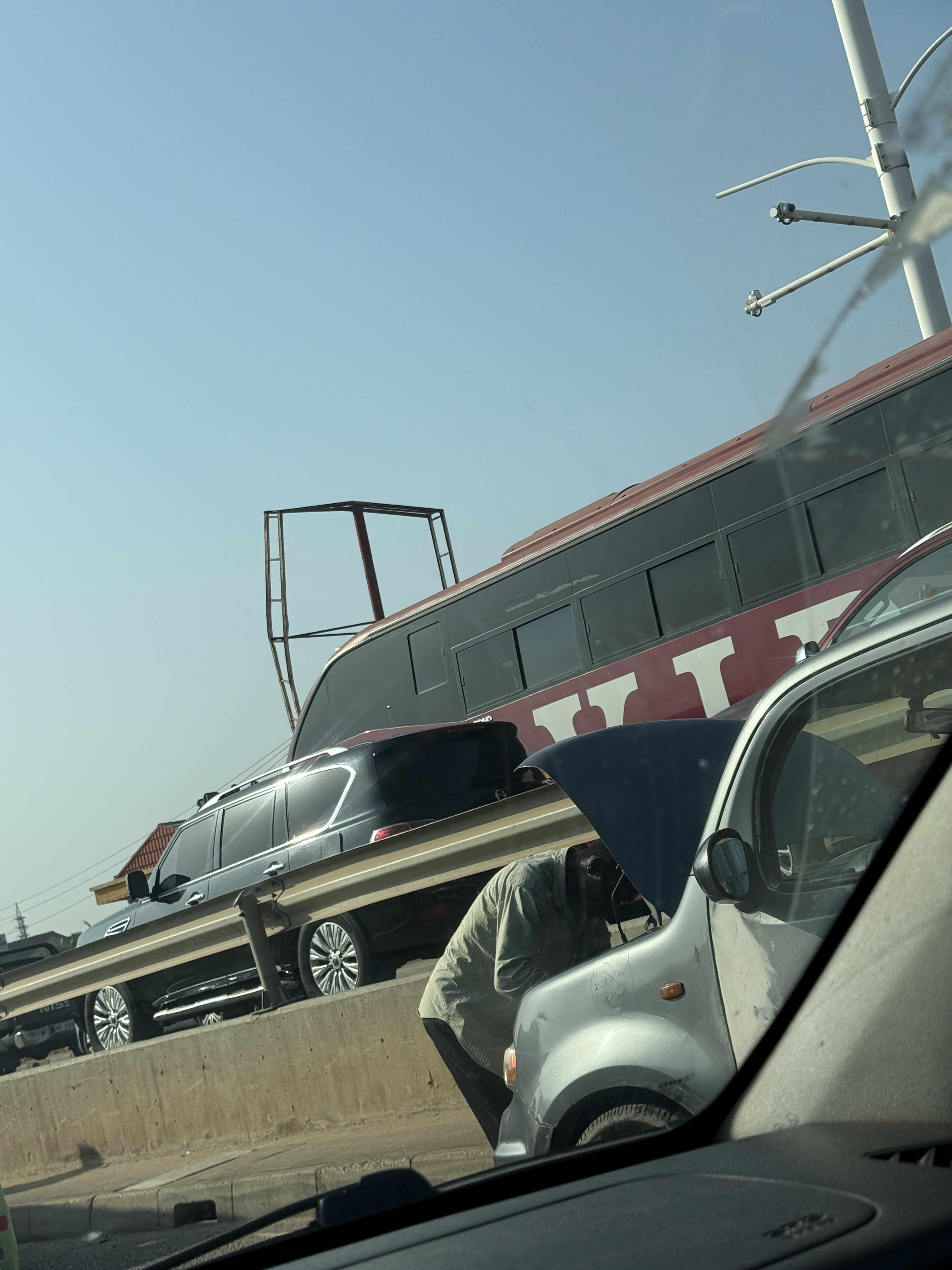
The one I remember most: the Ofankor overpass, at about 7 pm. Dark Raven gave up, and I was stranded with no idea who to call.
Help did come eventually. But the rescue took four hours and cost me about GHS 500 that evening.
It wasn’t the only time. It's broken down in places I barely knew, places where help seemed nowhere in sight, and places that felt dangerous for me, for passing vehicles and for pedestrians. Every time, somehow, I got help. But it always took longer than it should have and cost more than I expected, mostly because I didn’t know who was close by or what was fair to pay.
For a while, I put getting help at all down to luck. Then I started paying attention, and what I noticed became the foundation of what we’re building at Motor Ambos.
What I noticed
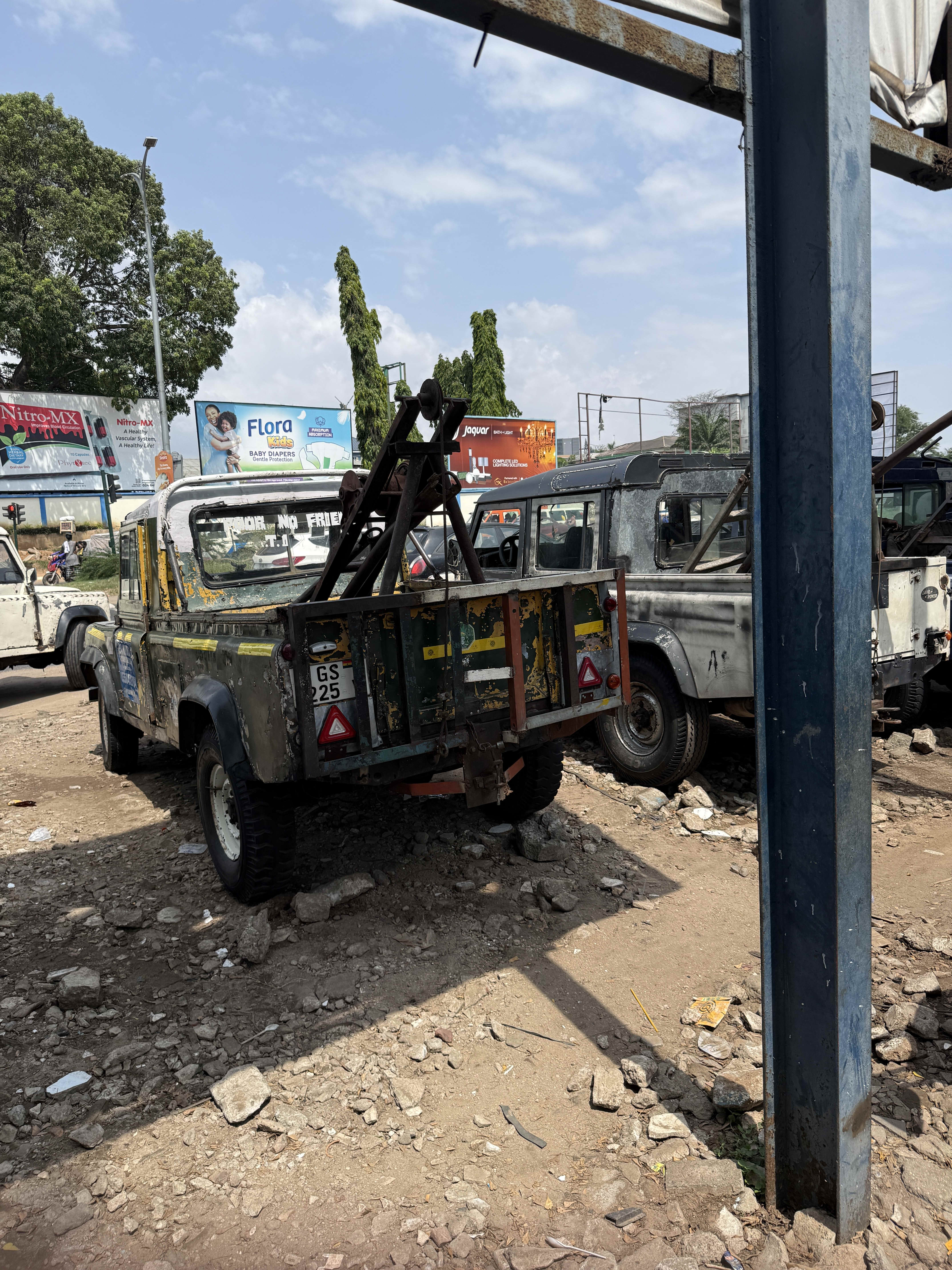
First: help is almost always nearby. Accra is full of “fitting shops”, makeshift roadside mechanic shops run by people who can fix most of what goes wrong on the road. Around Achimota, I counted 5. In our conversations with drivers, most said fitters like these are who they actually turn to, far more often than established workshops.
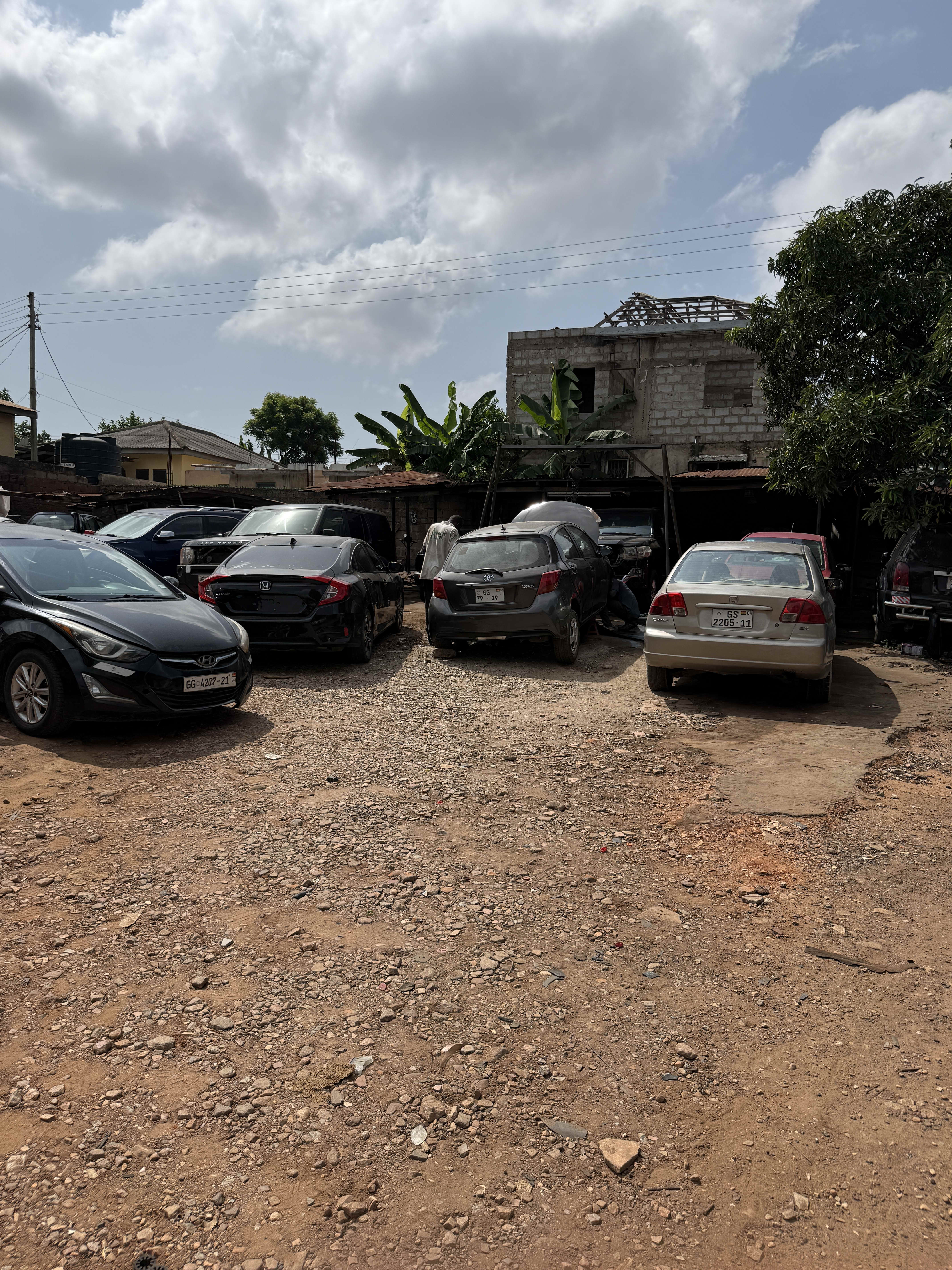
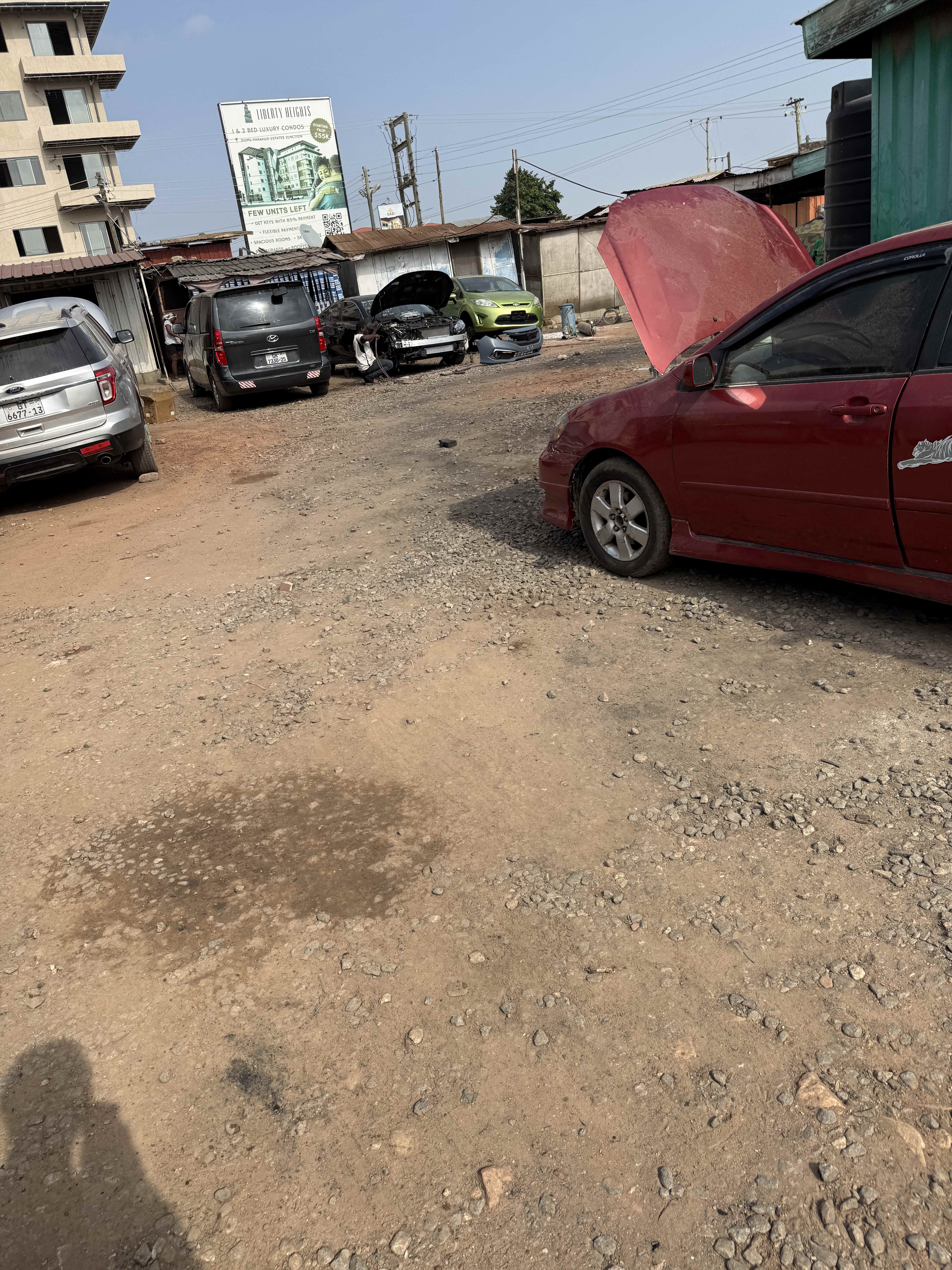
Second: when you’re stranded, you don’t care about certificates. You want to know someone is coming, how soon, and what it’ll cost. You want a plan to get you and your car somewhere safe. The questions about qualifications may come later, once you’ve calmed down. Everyone we’ve interviewed shared the same sentiment.
Third: people want to talk to a person. When you’re in distress, a voice on the phone saying “I’m coming” does something an app notification can’t. And most of the mechanics we met prefer feature phones. Their work is hard on phones, and a simple handset just works.
So we decided not to fight any of this. We’d build on top of it.
What we built
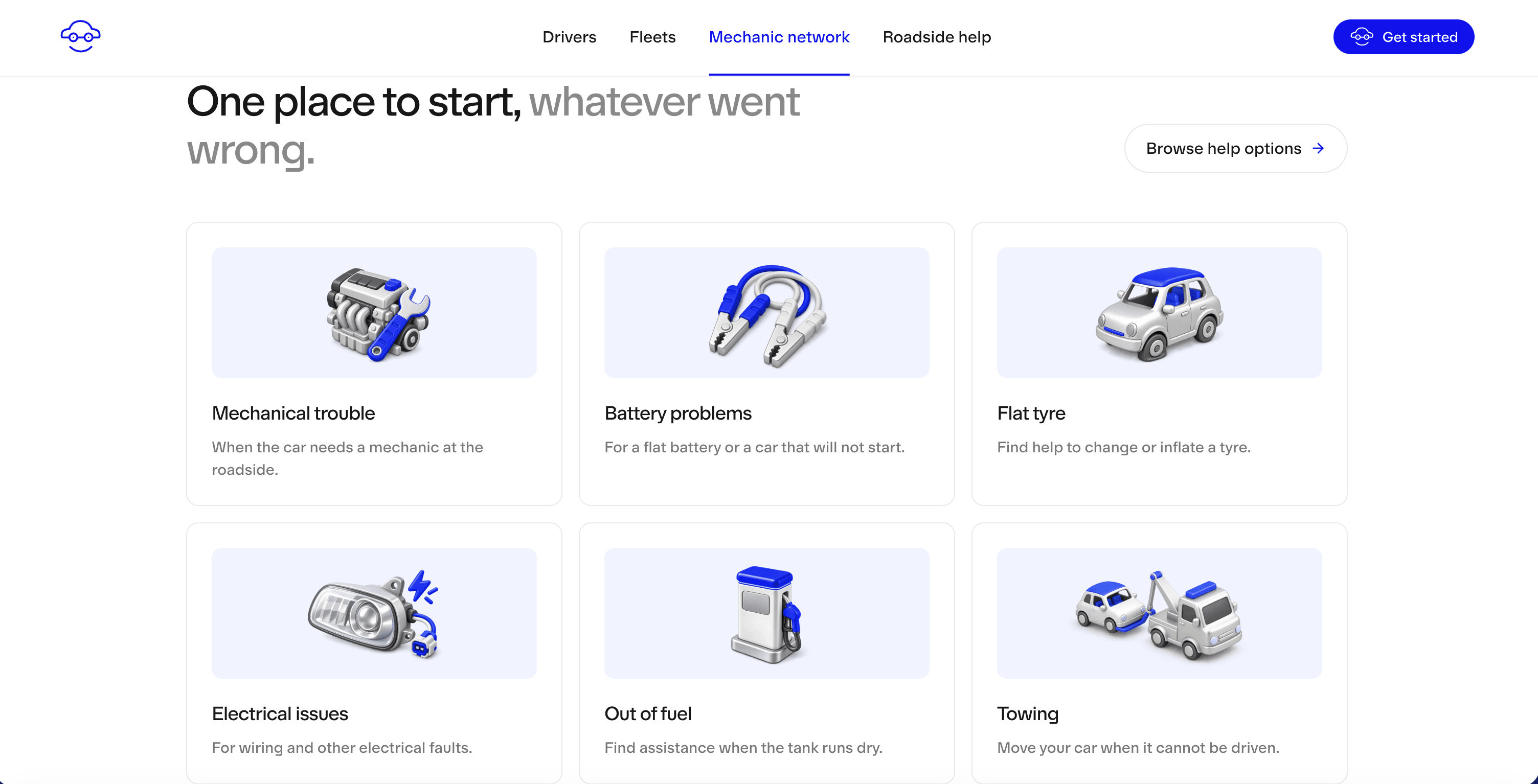
Motor Ambos roadside help is a network of local, independent roadside mechanics across Accra, each mapped by location and by the kind of help they offer: electrical faults, flat tyres, towing, fuel delivery, getting stalled cars out of traffic, and general rescue.
Here’s how it works
- A stranded driver goes to motorambos.com/help, or scans the QR code in their car. Motor Ambos app users skip straight ahead because their car details are already saved.
- They choose what’s wrong and share their location.
- We show the mechanics within 5 km, how far away each one is, and their call-out fee, so the driver knows what they’ll pay before they call.
- The driver calls the mechanic directly. It’s a real conversation between two people.
- With one tap, the driver texts the mechanic their exact location and a few details about the car. It’s a plain SMS, so it works on any phone.
- About 30–45 minutes later, we check in: “Did help arrive?” If not, we point the driver to the next nearest mechanic.
- A little later, we ask for feedback: how it went, and what they actually paid.
We didn’t ask the mechanics to download an app. They don’t need one.
What we’re still figuring out
Simple to describe, hard to get right. Here’s what we’re working through:
Keeping drivers with us. Once a driver finds a good mechanic, they’ll probably save the number and call them directly next time. That’s fine for now. We’re not charging for this yet, because right now we care more about learning and getting people helped. That will change, and when it does, it needs to be worth it for drivers.
Is the mechanic actually there? A pin on a map doesn’t mean someone is available right now. Mechanics move, close for the day, change numbers or are busy on another job. For now, when a driver tells us they couldn’t reach someone, we mark that mechanic as unavailable and follow up. We’re testing better ways to keep the map current.
Making sure help arrives. If a mechanic doesn’t turn up, the driver is still stuck, and that’s on us. That’s why the “did help arrive?” check-in matters more than any other feature we have.
Safety. We don’t need to know whether someone is certified, but we do need to know who they are. Picture a woman stranded at night on the N1. Here’s what we’re putting in place:
- ID checks with the Ghana Card, a photo, and a confirmed phone number for every mechanic
- Ratings and number of completed jobs shown before you call
- A way to share your location and your mechanic’s details with family or your fleet manager
- Immediate suspension of any mechanic who gets a safety complaint
Fair prices. The call-out fee is fixed and shown upfront. We don’t quote repair prices, because nobody can diagnose a car over the phone. Instead, we ask every driver what they actually paid. Over time that shows us what fair prices look like, and which mechanics overcharge. No one should pay GHS 500 and wait four hours without knowing whether that was fair.
Mechanics’ consent. We’re meeting every mechanic we mapped to get their permission to be listed. Ghana’s data protection law requires it, and it’s also how we confirm their ID, services, call-out fees and hours.
Who’s responsible if something goes wrong. Motor Ambos connects drivers with independent mechanics. We don’t employ them or guarantee their work. What we do is keep track of who does good work, and quickly remove anyone who doesn’t.
Where we are
We have about 50 mechanics mapped across Dzorwulu, Achimota, Labone and Osu, and we’re adding more areas. We’re early, and learning something new every week. We’ll share what we learn as we go.
Learn more at motorambos.com.