The video above clearly illustrates the challenges faced by renters in Ghana, highlighting the stark contrast between the Rent Act, 1963 (Act 220), and the realities on the ground. The Rent Act was enacted to protect both tenants and landlords. However, in practice, many landlords have drifted away from its guiding principles, while enforcement by the relevant authorities remains largely ineffective. As a result, renters are often left unprotected and at the mercy of property owners.
Ghana’s housing deficit continues to be a significant issue, as highlighted in the referenced report. Several factors contribute to this imbalance, most notably the persistent gap between housing demand and supply. This basic economic reality has steadily driven rental prices upward, making decent housing increasingly unaffordable for many people.
Another major challenge lies in tenure and advance rent. Under the Rent Act, landlords are not permitted to demand more than six months’ rent in advance. In reality, this provision is frequently ignored. It has become common for landlords to demand up to two years’ rent upfront, in addition to a security deposit intended to cover potential damages during the tenancy.
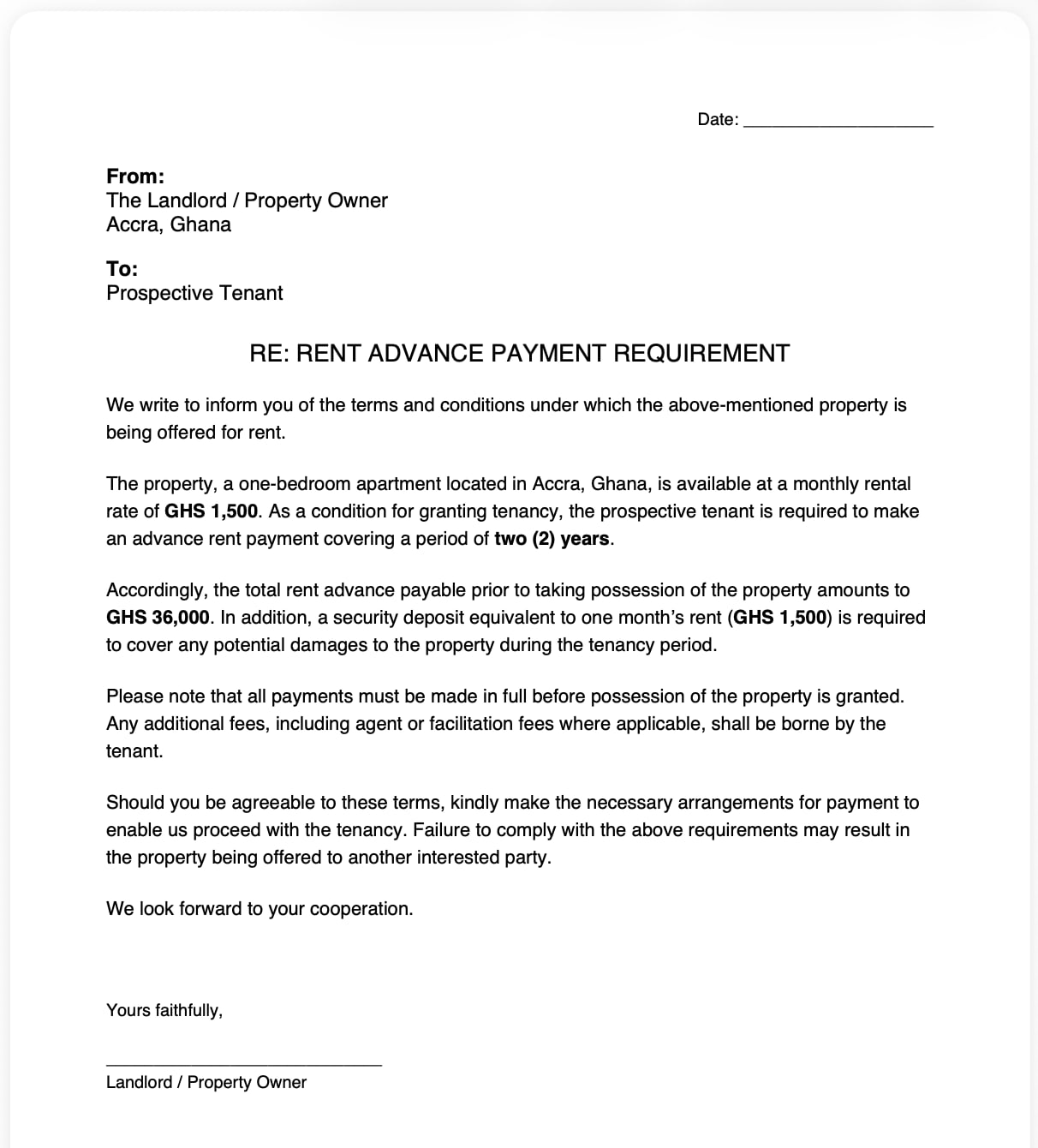
To put this into perspective, assuming a monthly rent of GHS 1,500 for a one-bedroom apartment in Accra, a two-year advance alone amounts to GHS 36,000. This figure excludes additional costs such as agent fees. For a young person just starting out in life, this represents an overwhelming financial burden. Even for individuals at more advanced stages in their careers, meeting such upfront costs remains a significant challenge.
The rental ecosystem is further complicated by weak regulation of real estate agents. Bodies such as the Ghana Real Estate Professionals Association (GREPA) and the Real Estate Agency Council (REAC) are mandated to regulate the activities of registered agents and brokers. In practice, however, enforcement remains weak, allowing almost anyone to operate as an agent and creating room for widespread abuse.
As a result, agents often charge exorbitant fees, including payments simply to view properties and commissions of up to 10% on rent paid. In more troubling cases, renters have been defrauded by individuals posing as agents, largely due to the absence of a proper verification framework.
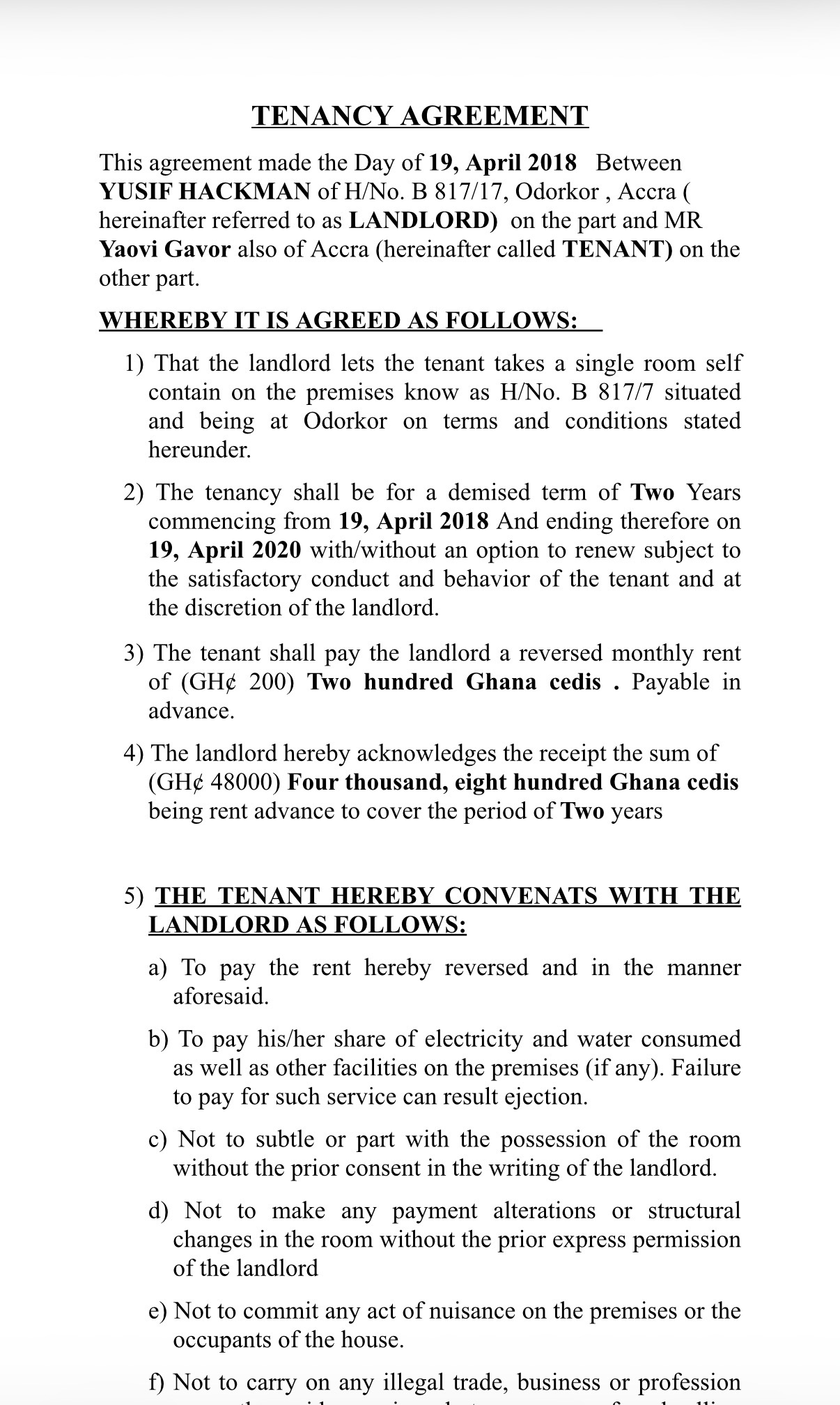
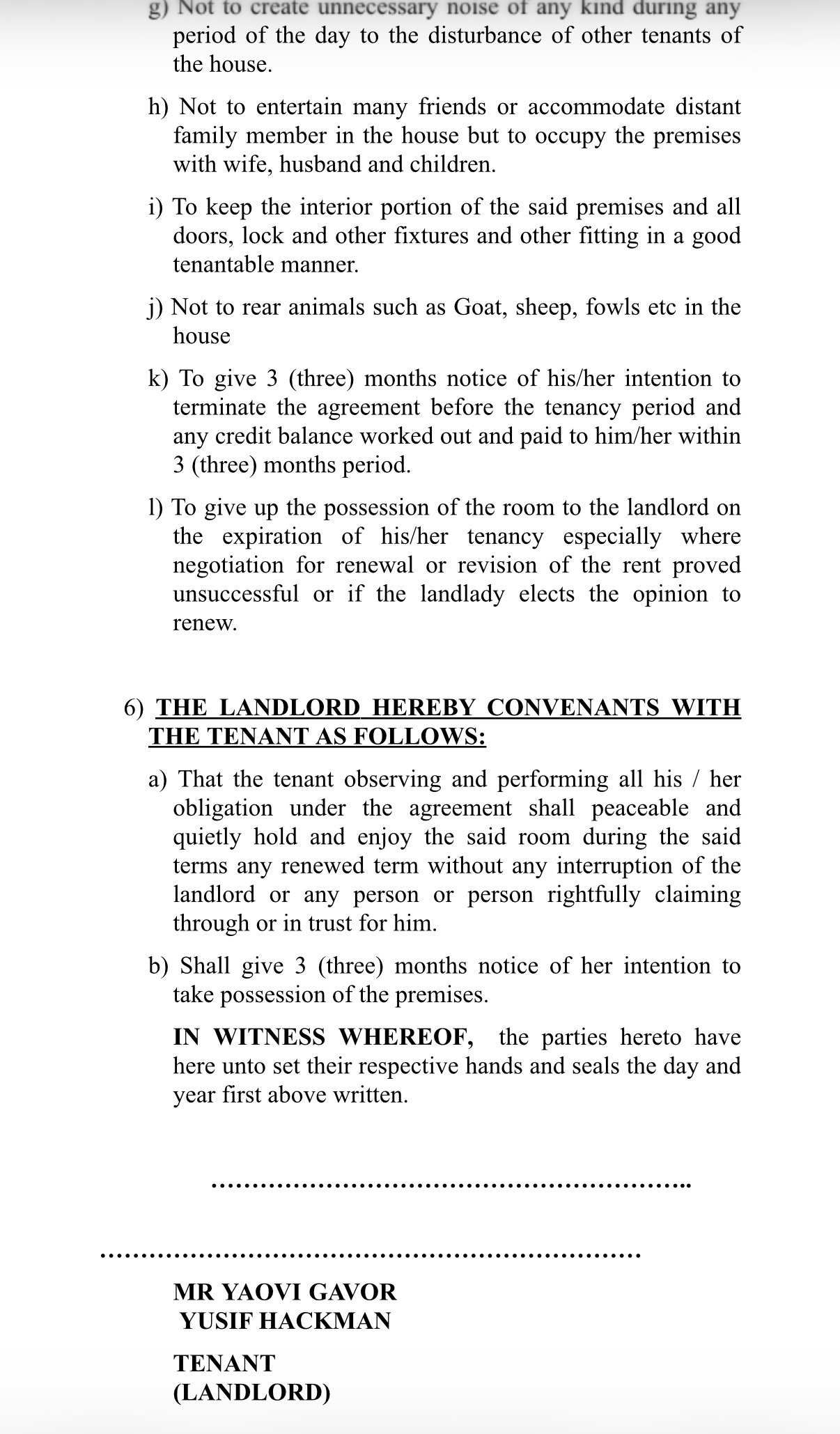
Documentation is another persistent issue. Many landlords are unable or unwilling to provide formal tenancy agreements, leaving both parties without legal protection in the event of a dispute. Additionally, tenants frequently report difficulties recovering their security deposits, with landlords citing alleged property damage despite a lack of supporting evidence. These challenges form part of the daily reality faced by renters in Ghana.
Successive government administrations have attempted to address some of these issues. However, rather than tackling root causes, many interventions have functioned as short-term solutions. In 2022, the Government of Ghana introduced the National Rental Assistance Scheme (NRAS) to make renting more affordable and accessible. The scheme aims to operate across all sixteen regions and targets adults who are employed or self-employed and able to make monthly rental payments.
Alongside the NRAS, private-sector initiatives such as Renmo and Rent Masters have emerged to address the rent advance challenge. While these platforms provide much-needed relief, they are for-profit entities and are therefore likely to charge fees or interest for their services.

My initial vision for Rentbase.app was to directly address the rent advance problem by offering financing at reasonable interest rates. However, doing so would require partnerships with financial institutions, which is a significant undertaking at this stage. As a result, the platform has been repurposed to focus on more foundational issues within the rental ecosystem.
This new direction centres on three core components:
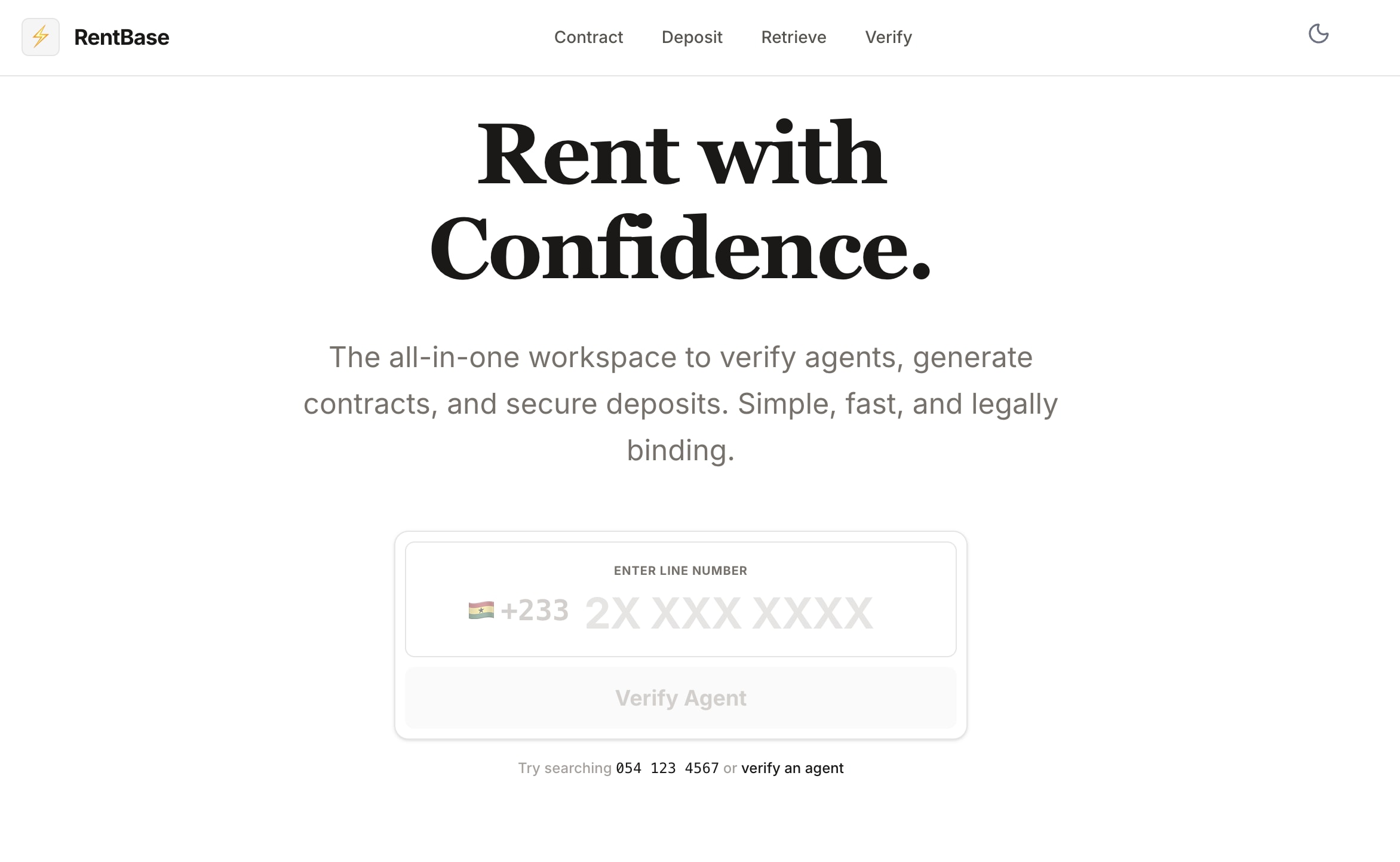
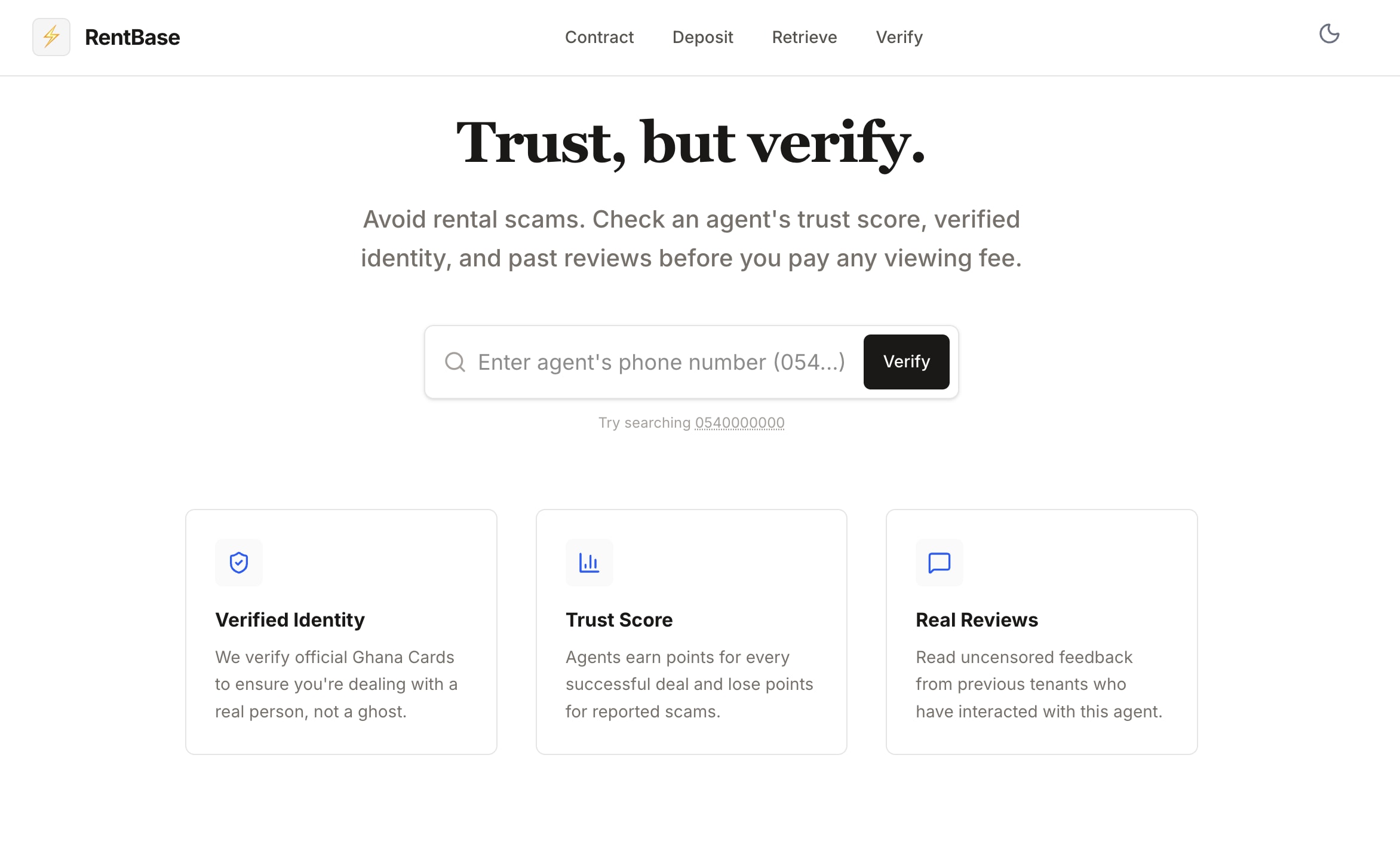
At present, there is no reliable framework for verifying the legitimacy of real estate agents, leaving renters vulnerable to fraud. RentBase proposes a network of reviewed and verifiable agents authenticated via their Ghana Card and professional track record, allowing renters to perform quick checks before engaging or sending money.
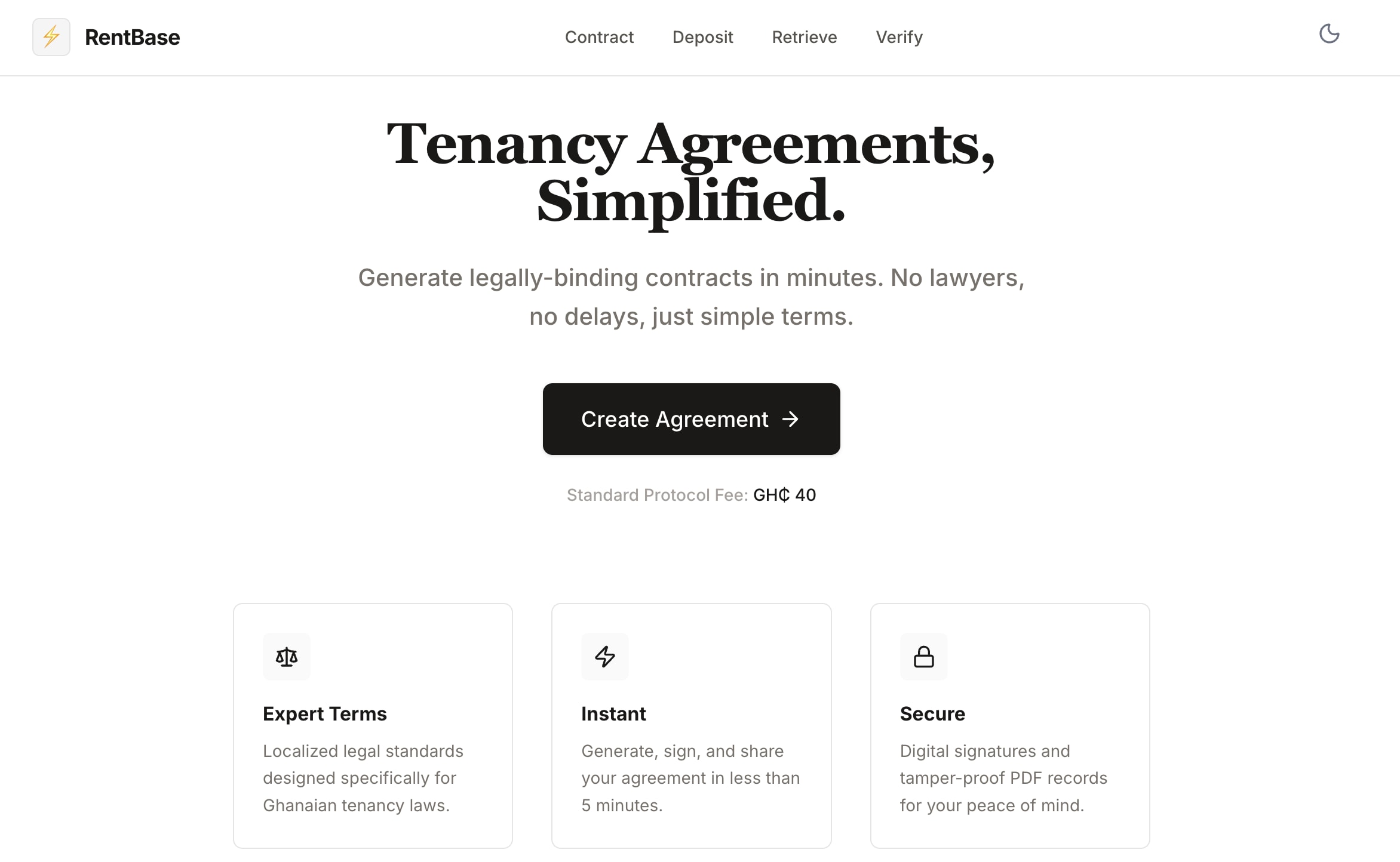
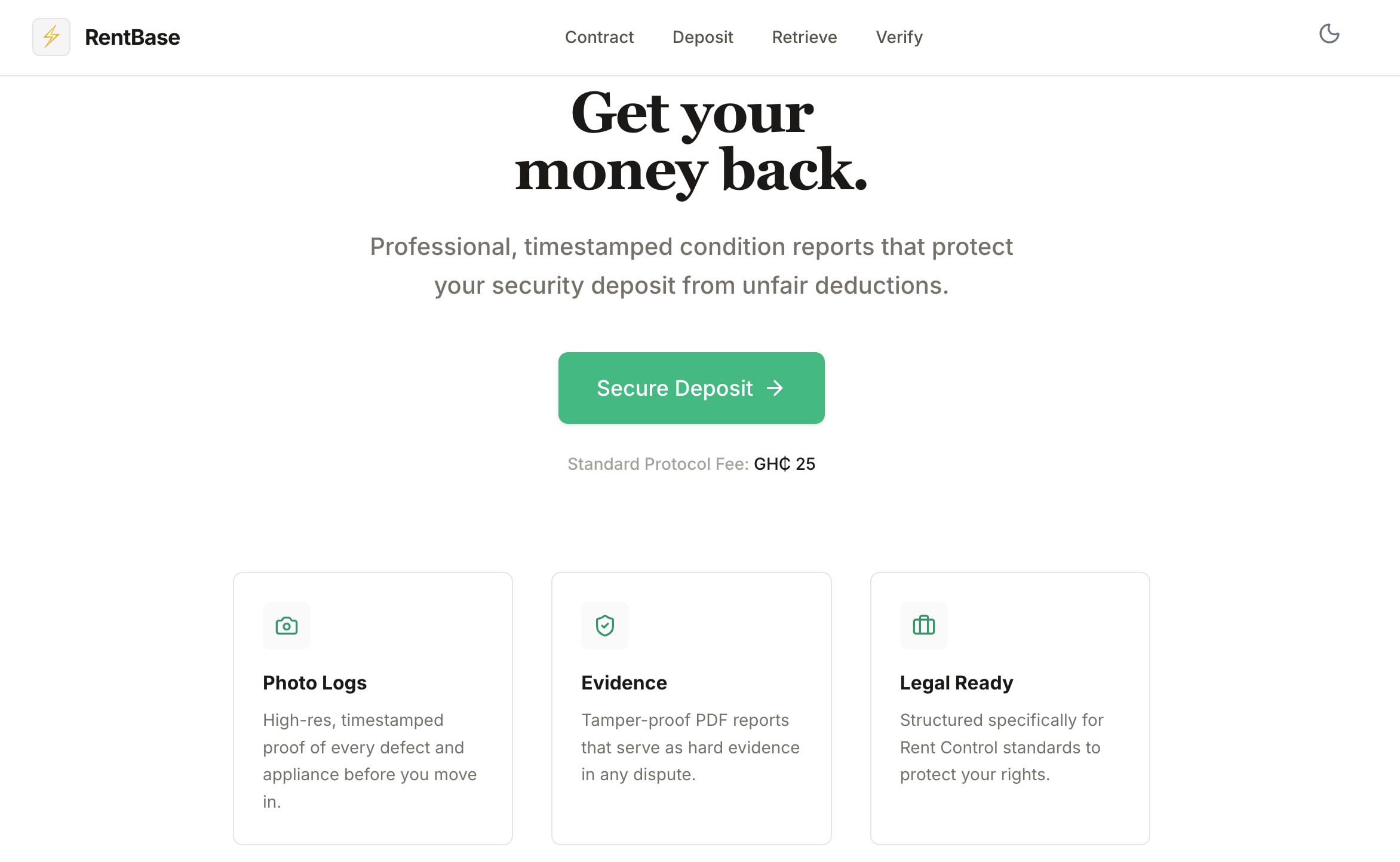
In addition, the platform would provide legally binding tenancy agreement templates requiring digital signatures from both tenants and landlords, ensuring clarity and protection for both parties. A timestamped property condition report would serve as documented evidence, helping to protect tenants’ security deposits from unfair deductions at the end of a tenancy.
RentBase addresses these challenges by replacing assumption and imbalance with information and accountability. Renters can verify agents, use clear tenancy agreements, and protect their deposits with documented evidence.
Rather than replacing existing laws or institutions, RentBase strengthens the gaps where enforcement and trust often fail. The aim is simple: to make renting in Ghana more transparent, predictable, and humane.